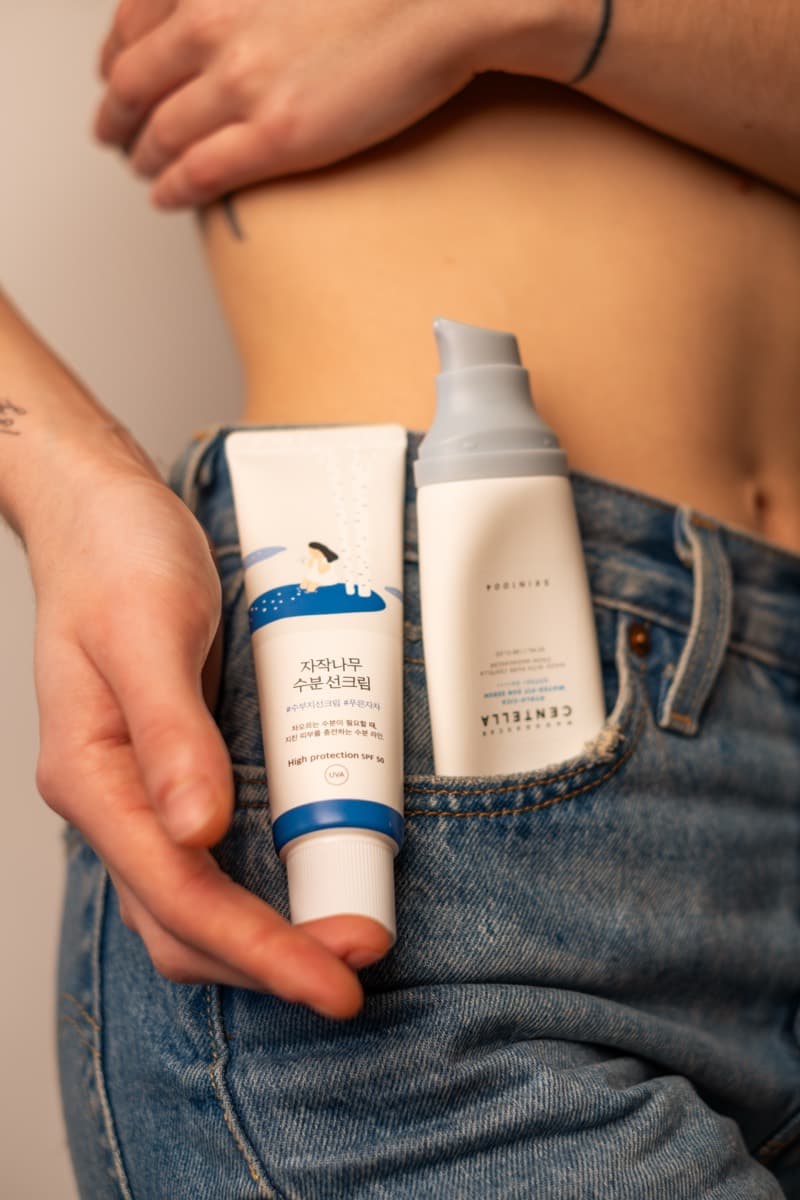
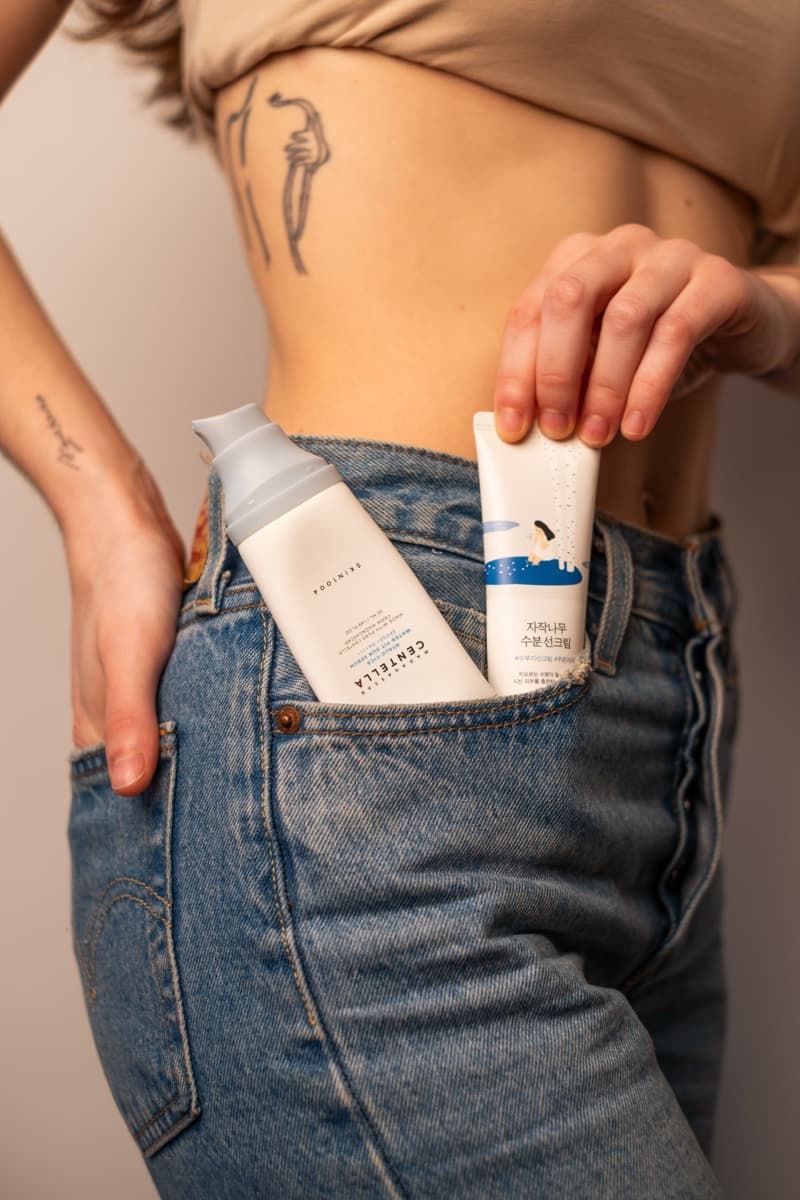
Centella asiatica: why this soothing ingredient is everywhere in k-beauty
If you've ever read the label of a Korean cream, chances are you've come across the word "cica" or its full name, centella asiatica. This little creeping plant, also known as hydrocotyle or "gotu kola," has become one of the most sought-after ingredients in Korean skincare, to the point of having its own product category with practically every brand. But behind this somewhat mysterious word lies an ingredient that's simple to understand and that benefits a huge range of skin types, from reactive skin to blemish-prone skin. Here's what centella asiatica really is, why Koreans have used it for centuries, and how to work it into your routine wisely.
What centella asiatica actually is
Centella asiatica is a herbaceous plant native to Southeast Asia, used for a very long time in traditional Asian medicine for its healing and soothing properties. In Korea, it was traditionally applied to minor wounds and skin irritations long before becoming a cosmetic ingredient in its own right. Its popularity exploded in the 2010s with the international rise of k-beauty, carried by "cica cream" formulas that became cult favorites. What makes this plant interesting from a cosmetic standpoint is its active compounds: triterpenoids (asiaticoside, asiatic acid, madecassic acid), which have a demonstrated role in supporting skin repair and calming irritation.
The benefits of centella asiatica for skin
What sets centella asiatica apart from many other ingredients is its versatility: it works on both the skin's immediate comfort and its longer-term resilience.
- It soothes feelings of discomfort: tightness, tingling, temporary redness after exposure to cold, wind, or other external aggressors
- It supports the skin's natural repair mechanisms, useful after a breakout flare-up or irritation caused by an exfoliating ingredient
- It helps strengthen the skin barrier, that thin protective layer which, when weakened, leaves skin more reactive and more prone to tightness
- It helps visually even out the complexion by fading the red marks left by blemishes
Centella asiatica isn't an overnight miracle, but it calms the skin and helps it find its balance over time, which makes it a foundational ingredient rather than a magic wand.
Who this famous "cica skincare" is for
Centella asiatica suits practically every skin type, which partly explains its success. It's especially recommended if your skin is sensitive or reactive, if you tend to get diffuse redness, if you live in Brussels or elsewhere where a humid, changeable climate often puts the skin barrier through the wringer, or if you use exfoliating ingredients (AHA, BHA, retinol) that can weaken the skin and need a soothing ingredient for support. Blemish-prone skin also loves it, as it helps calm localized inflammation without drying out the skin the way some harsher anti-blemish ingredients can.
How to use centella asiatica in your routine
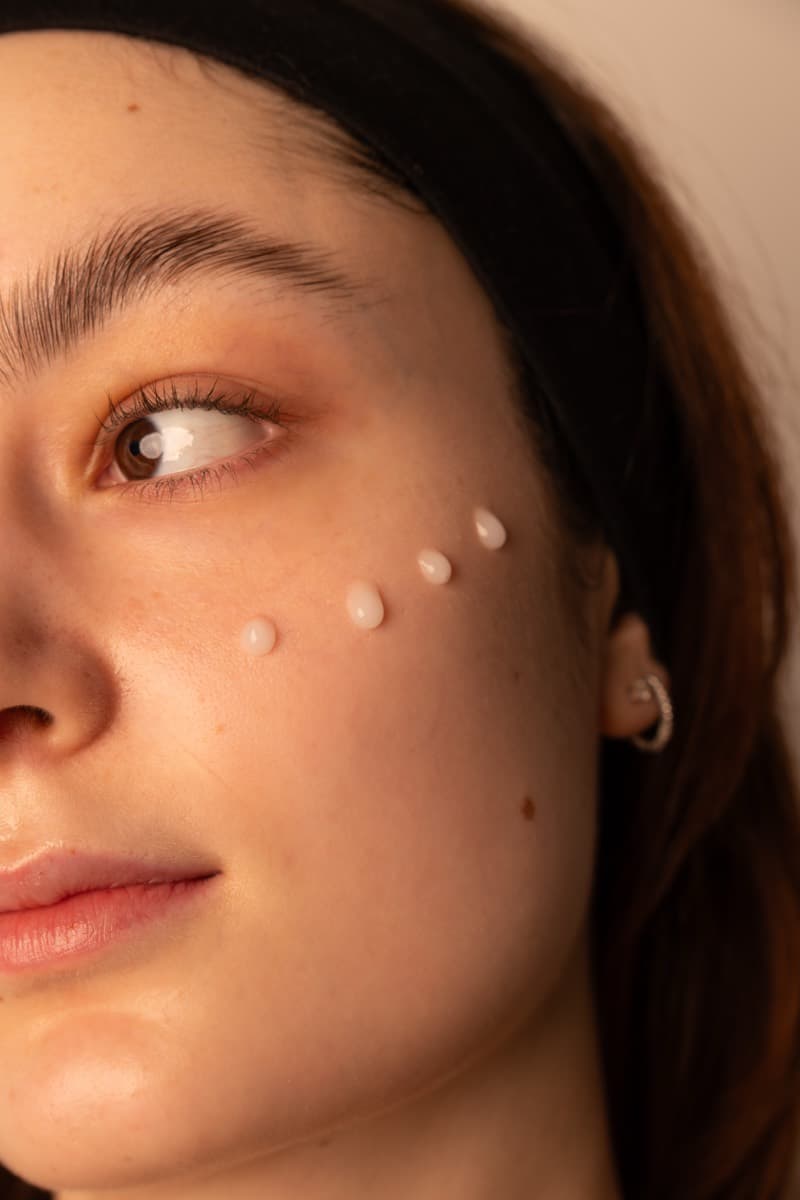
Centella asiatica now comes in practically every format of Korean skincare, which makes it easy to add in, whatever your k-beauty level. Cica creams, often rich and creamy, go on as the final moisturizing step, morning or evening, to calm and nourish the skin in one go. Centella serums, more concentrated and lighter in texture, are applied before the cream, on clean skin, and work well as a targeted treatment during a bout of sensitivity. Cica toners and essences hydrate while prepping the skin to receive the following steps, a step many enjoy in the evening after a double cleanse.
A quick application tip
For particularly irritated skin, you can layer a cica toner followed by a cica serum before your usual cream: it's a very common technique in Korea, called "layering," which lets you boost the amount of soothing ingredient without overloading the skin with heavy textures.
How to spot a good centella asiatica product
Not all "cica creams" are created equal. Check where centella asiatica (or its derivatives like madecassoside or asiaticoside) sits in the ingredient list: the higher up it is, the more likely the concentration is meaningful. Also check that the formula stays simple, without too much added fragrance or alcohol, two things that can work against the soothing effect you're after. At Clow, we select products that pair centella asiatica with other gentle, complementary ingredients, for a coherent routine rather than a stack of products that don't work together.
Whether you're just starting out with Korean skincare or have long been trying to calm temperamental skin, centella asiatica remains one of the safest bets in k-beauty: a proven, gentle ingredient that plays well with most of the rest of your routine. You'll find it in several of our Korean skincare picks shipped to Belgium and France, alongside other star ingredients we cover in our other articles.